Spotify is quietly teaching everyone how to prompt
I’ve always had a product crush on Spotify — the gold standard when it comes to personalisation and AI. Discover Weekly is still one of the best examples I can point to of ML that feels like magic. It never asks you to do anything. It just knows.
Their new Prompted Playlist feature (now in beta in Australia) is a deliberate departure from that. Instead of the algorithm working invisibly in the background, it hands you the controls: describe what you want in your own words, and an LLM goes to work for you.
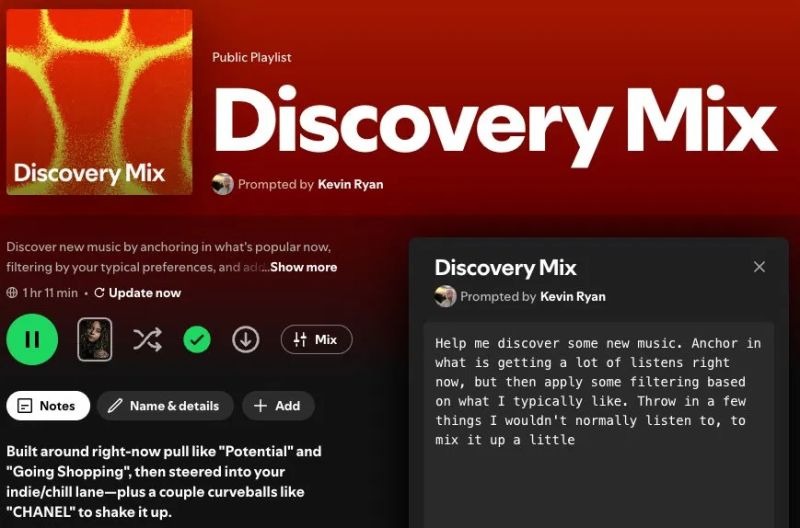
The clever part isn’t the AI — it’s the onboarding. It doesn’t drop you into a blank prompt box. It ships with pre-built example playlists you can open and edit. Small design choice, big consequence: Spotify is quietly teaching a mainstream audience how to prompt through worked examples rather than a blinking cursor.
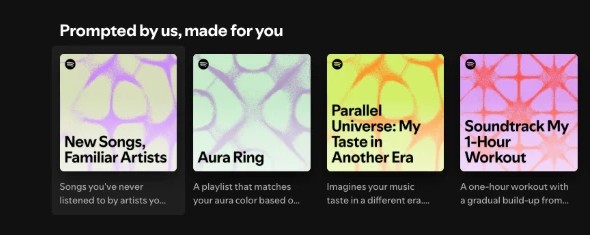
It’s worth breaking down what the “AI” is actually doing. Spotify describes Prompted Playlist as a collaboration: a language model working with the personalisation engine it’s spent a decade building. In its own research framing, it’s “an LLM-based agent that interprets user intent and calls multiple tools.” In plain terms — the model reads your sentence and works out what you mean: the mood, the era, the activity, the rules you’ve set. Then it hands that to the existing recommender, which does the real picking and ranking from your history and what’s trending now. The LLM isn’t finding the music; it’s translating your prompt into instructions the system already understands.
In this case though, the hard part of putting an LLM in front of millions isn’t the model — it’s the cold start. How do we empower our users to start leveraging the full horsepower of the platform? Spotify’s answer: make the first prompt something you tweak, not something you invent.
The open question — durable UX pattern, or customisation overload? Spotify built its reputation on removing effort from discovery. This adds effort back in, deliberately, and bets a meaningful slice of users actually want that level of control… curious to see how adoption plays out.
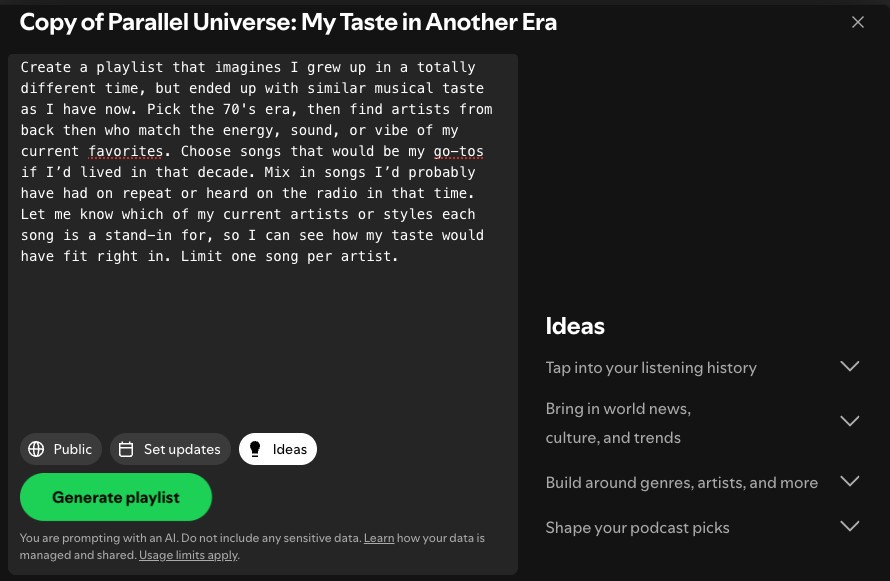
As for the playlist itself.. it was pretty groovy. Have a listen to mine below — or copy the prompt and enjoy your own.
Create a playlist that imagines I grew up in a totally different time, but ended up with similar musical taste as I have now. Pick the 70's era, then find artists from back then who match the energy, sound, or vibe of my current favorites. Choose songs that would be my go-tos if I'd lived in that decade. Mix in songs I'd probably have had on repeat or heard on the radio in that time. Let me know which of my current artists or styles each song is a stand-in for, so I can see how my taste would have fit right in. Limit one song per artist.